

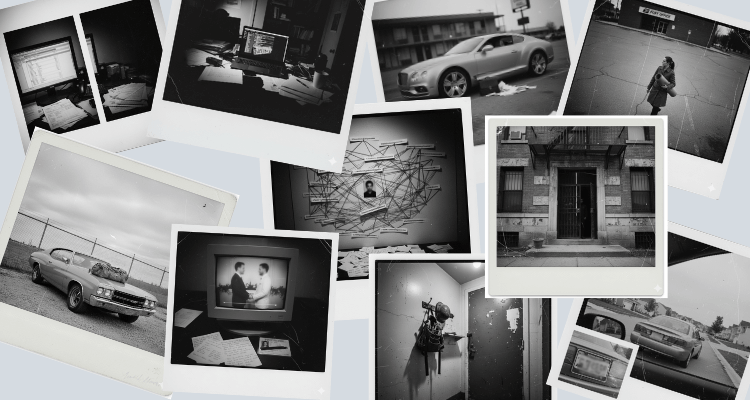
What happens when someone really doesn’t want to be found and every tool you’ve tried has come up empty? How do private investigators locate people who’ve changed names, disappeared without a trace, or left behind nothing but a PO Box?
In this article, you’ll get an inside look at 10 real-life investigations where our team tracked down people others had written off as untraceable.
From military records and facial recognition to license plate readers and a bright red shipping tube, these stories show what it really takes to find someone when databases, software, and shortcuts fail.
👇 The 10 Real-Life Cases We Cover
- Richard Jones—Found via military records
- The Red Tube at the PO Box—Creative field tactics
- Facial Recognition Helped Find a Name-Changer—Facial recognition and name change
- License Plate Data Revealed a Hidden Address—License plate reader database
- The Only Clue Left Was Death—DMV and obituary tracking
- Finding a Homeless Heir in the Bronx—Street-level detective work
- Connecting Digital Breadcrumbs Across Platforms—Username OSINT mapping
- The Breach Data That Cracked the Case—Dark web breach data
- Finding Frank Rodriguez with a Simple Assumption—Real-world pattern recognition
- The Bentley and the Court Filing—Court filings and car obsession
Case 1: Richard Jones—Found Through Military Records
We got a call one day from a woman chasing a ghost. His name? Richard Jones, her long-lost love from the 1980s. They had met while he was stationed in Virginia with the military. She remembered the car he drove, a 1970s Chevelle, and the way he made her feel. What she didn’t remember? Anything that could actually help us find him.
Richard Jones is one of the most common names on Earth. It was like trying to find a needle in a stack of needles. But we were intrigued and more than a little stubborn.
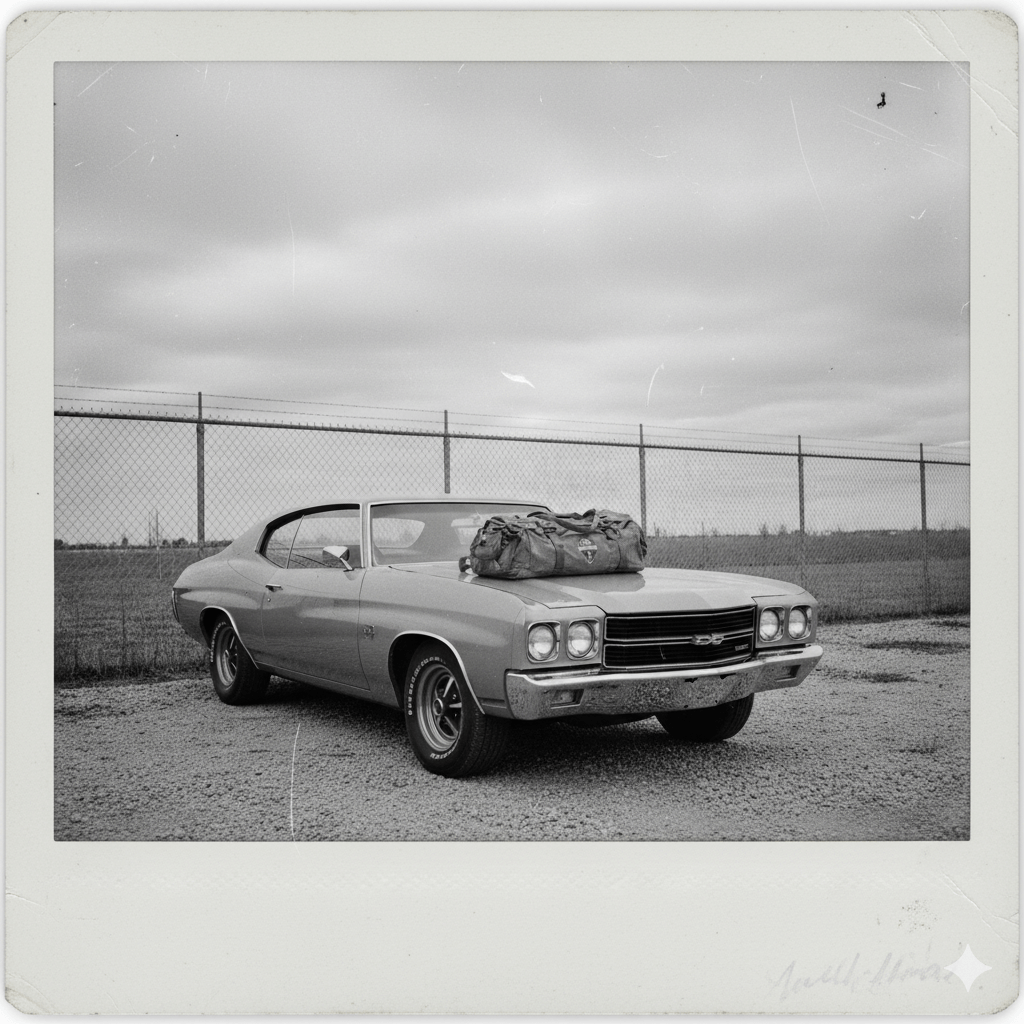
We started with the obvious; search for every Richard Jones in Virginia from the ’80s. There were over 50. That’s when it hit us: this wasn’t going to be a name match. It had to be a memory match. A gut-check. A long shot built on human instinct.
So we started calling.
Every. Single. One.
We’d open with something that wouldn’t freak them out: “Hey, this is kind of random… but were you ever in the military in Virginia in the 1980s?”
Polite. Direct. But it turned out to be useless.
None of the Richards we reached were her Richard.
We submitted military verification requests for all 50 names as a last-ditch effort. It was a Hail Mary and it took months. Eight months in, we’d gotten 49 nos. Then the final envelope arrived.
It was a hit. One Richard Jones had served in Virginia in the 1980s.
We checked our notes. We had already called him. He said it wasn’t him.
So we called again.
This time, we laid it out: “There’s a woman trying to find someone she loved. We think it’s you.”
Silence on the other end. Then a quiet laugh.
“Oh,” he said. “I didn’t realize that’s what this was about. Yeah. That’s me.”
Why didn’t he say so the first time?
“I just didn’t know what it was all about.”
That was it. Decades later, across dusty records and dead ends, love had finally found its way back.
Lesson: Sometimes it’s not about the tools or the tech. It’s about tenacity and the willingness to follow the trail even when it looks cold.
Case 2: The Red Tube at the PO Box
The client had a $500,000 problem and just a few weeks to solve it.
They had a judgment against a former business partner who had mostly vanished. The only lead? A PO Box in Texas. No residential address. No phone. No property records. The usual databases showed nothing. DMV? No luck. Voter rolls? Another dead end.
They needed to serve him personally, and time was running out.
So we got inventive.
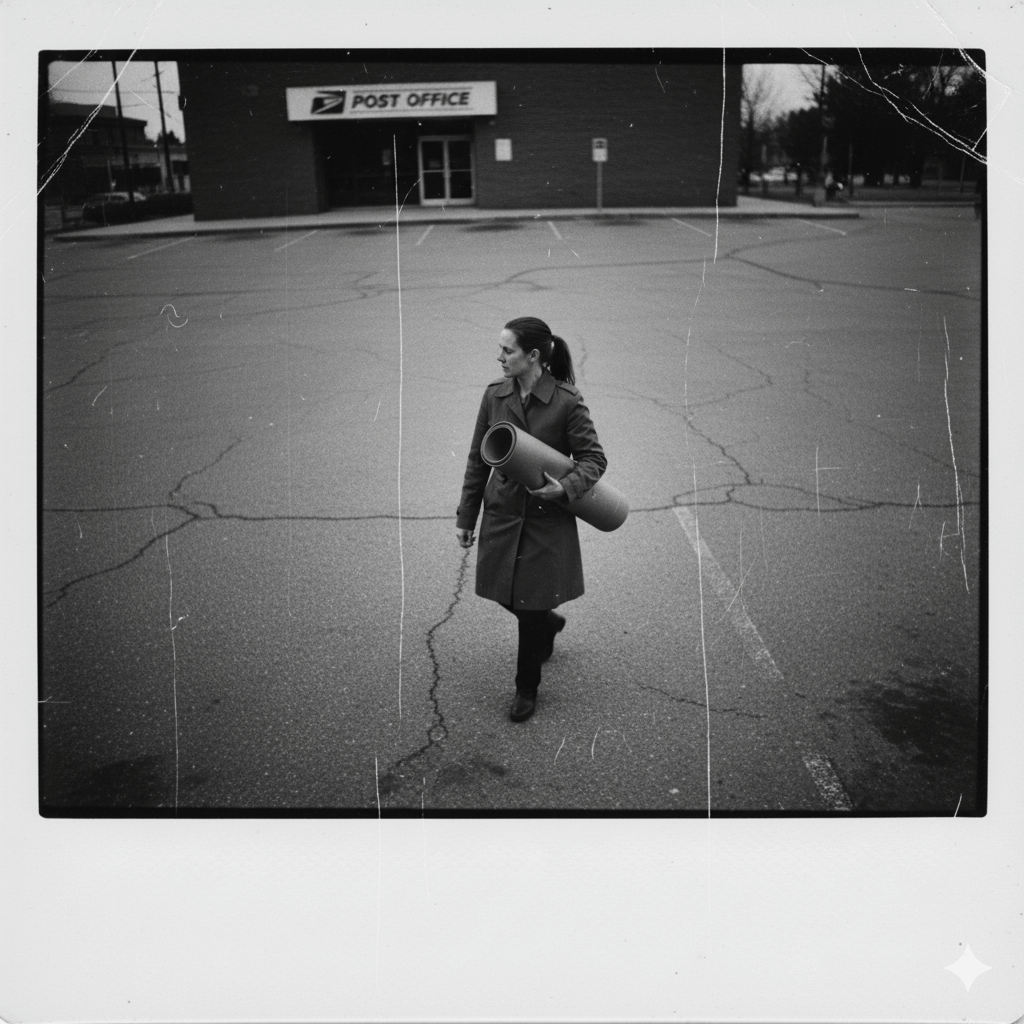
We sent a large, bright red shipping tube to the PO Box, big enough to attract attention. Then, we waited at the post office.
Sure enough, his wife showed up to pick it up. Carrying a giant red tube, she was impossible to overlook.
We followed her directly to their house and served him right then and there.
She didn’t see it coming.
And neither did he.
Lesson: When traditional tools fail, creativity takes the wheel. Sometimes all it takes is a red tube and a little patience.
Case 3: Facial Recognition Helped Find a Name-Changer
A law firm came to us with a serious problem. Their entire case hinged on one man: Cameron Smith.
He wasn’t just a witness. He was the person who had received and documented every single complaint about mold in a mismanaged building. Without him, their case was shaky at best.
They had his name and the company he used to work for. That was it. We couldn’t find anything to tie a Cameron Smith to the management company.
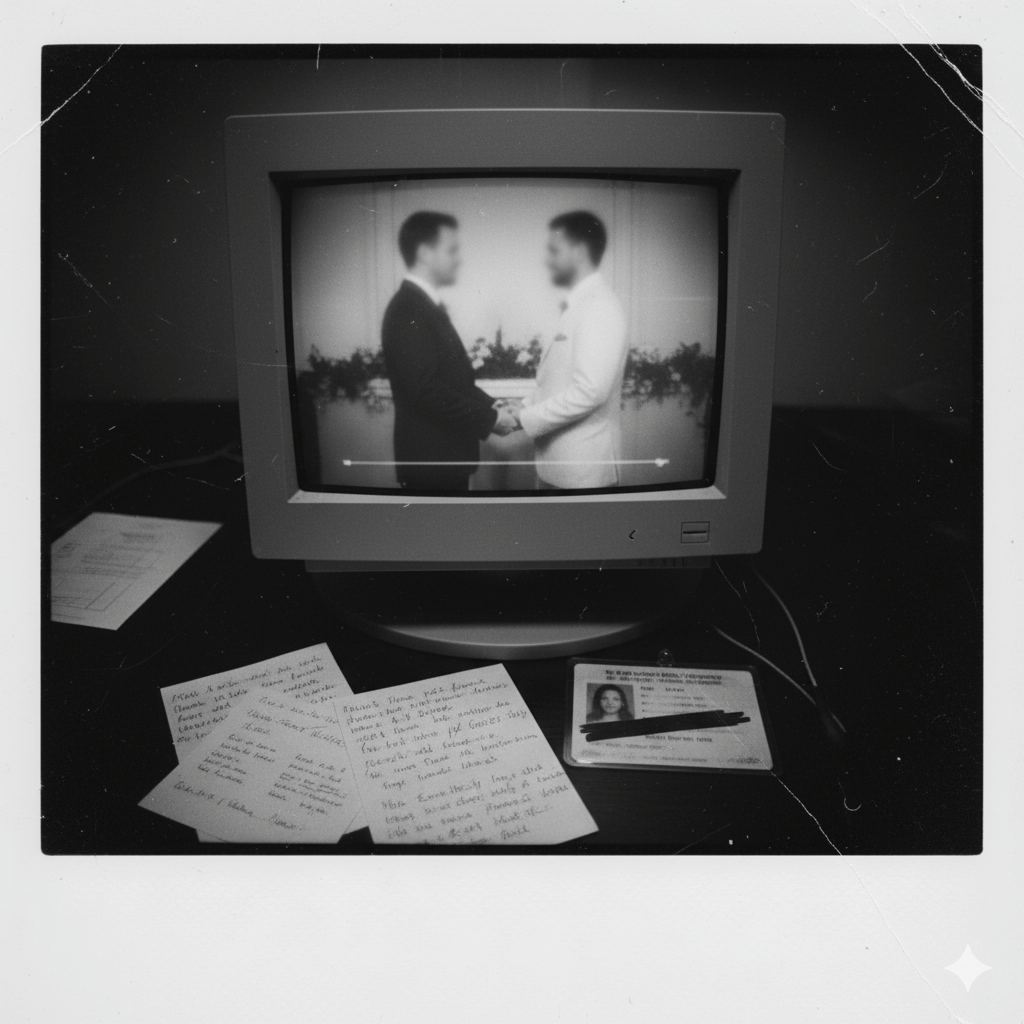
So we started digging through the management company’s social media accounts, post by post. After hours of scrolling, we found a photo: a going-away party for someone named “Cameron Smythe.” Same guy, different spelling.
But it was still not enough to locate him.
Then we tried a facial recognition database.
That’s when everything changed.
The tool flagged a photo from a Costa Rican wedding photographer. Cameron and Joseph, newly married. Turns out, Cameron had changed his last name to his husband’s.
With that extra clue, we found him quickly.
Lesson: Sometimes, the truth hides in a name change. And a single photo can reopen a case that was dead in the water.
Case 4: License Plate Data Revealed a Hidden Address
By the time the law firm handed us the case, they were out of options.
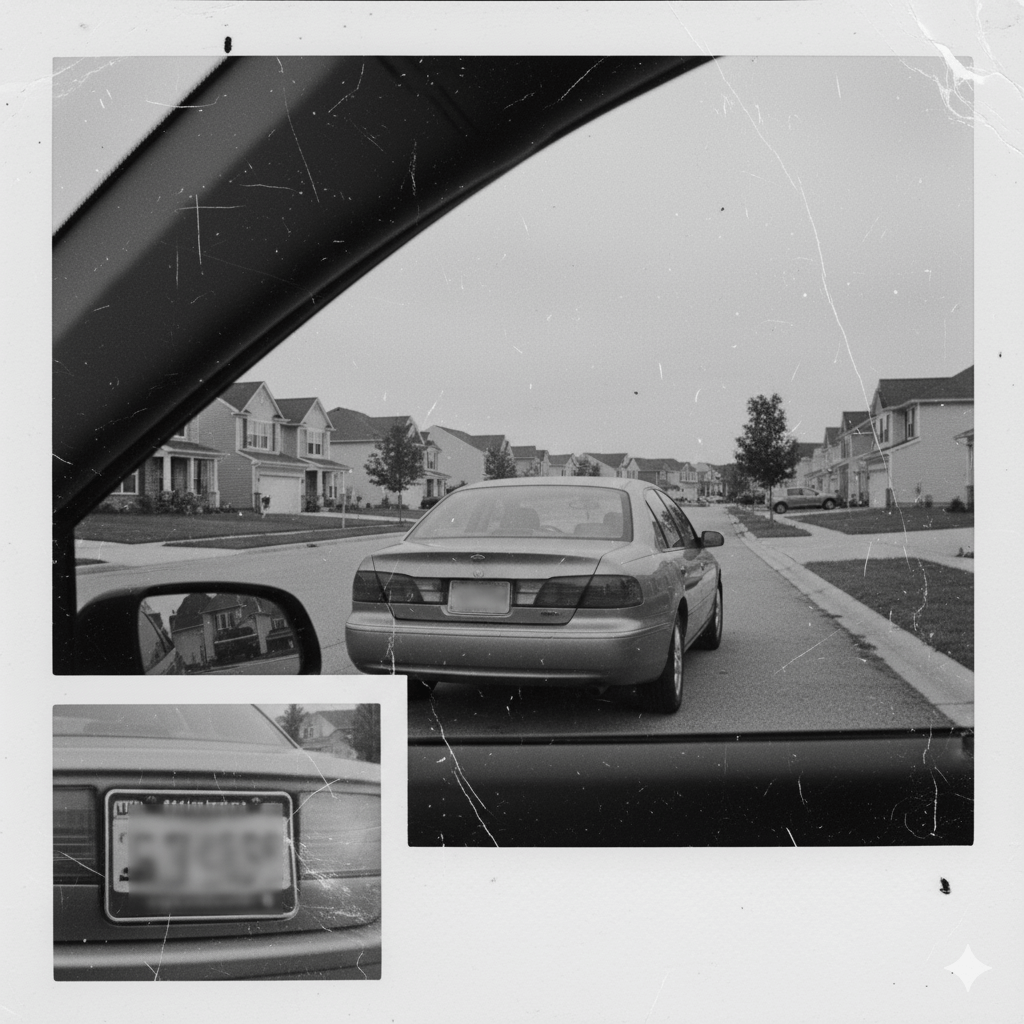
Stacy was a key witness in a sex abuse case, and she’d gone dark. Process servers had already tried four different addresses, all dead ends.
I ran her name through six different databases, hoping broader tools would do the trick. Still nothing.
But I had one thing left: her license plate.
Here’s something I’ve learned over the years. People might ditch their phone, move cities, change names. But most of them hang on to two things: their phone number… and their car.
So I ran the plate through a license plate reader system. These tools scan streets, garages, parking lots.
Her car had been spotted twice in the past few weeks at a brand-new housing development.
That was the lead we needed.
We showed up. We served her. Game over.
Lesson: Cars don’t lie. When people try to disappear, follow the vehicle.
Case 5: The Only Clue Left Was Death
Until 2014, private investigators could access the Social Security Death Index. That ended because of identity theft concerns. These days, most investigative databases don’t flag the dead very well. Sometimes you’ll stumble across an obituary or a stray Facebook post, but often it’s like the person just vanished.
That means we have to get creative.
One Arizona attorney reached out after months of trying to serve a man in a personal injury lawsuit. Every address came up empty. Family social media? Nothing. So we pulled his driver history, a move that sometimes reveals a hidden address.
Instead, it revealed something else.
The Arizona DMV record listed him as deceased. In all my years pulling DMV records, I had never seen that before. But it explained everything.
In another case, we were asked to track down a young security executive. The trail looked promising until we hit silence. Two disconnected numbers. No returned calls. On one last attempt, we finally reached his brother.
The news was simple, and final.
He had passed.
Lesson: Sometimes the hardest truth to uncover isn’t where someone is hiding. It’s that they’re not here anymore.
Case 6: Finding a Homeless Heir in the Bronx
An attorney called me years ago with a question that sounded simple on paper.
“Can you find a man named Victor?”
Victor was the only child of a woman who had just passed away. He hadn’t spoken to her in years, but he was about to inherit a life-changing amount of money.
There was just one problem.
Victor had been homeless in New York City for over a decade.
At first—I’ll be honest—I wasn’t thrilled. The idea of roaming the streets, asking strangers about a guy who hadn’t left a digital footprint in 12 years? It felt like chasing smoke.
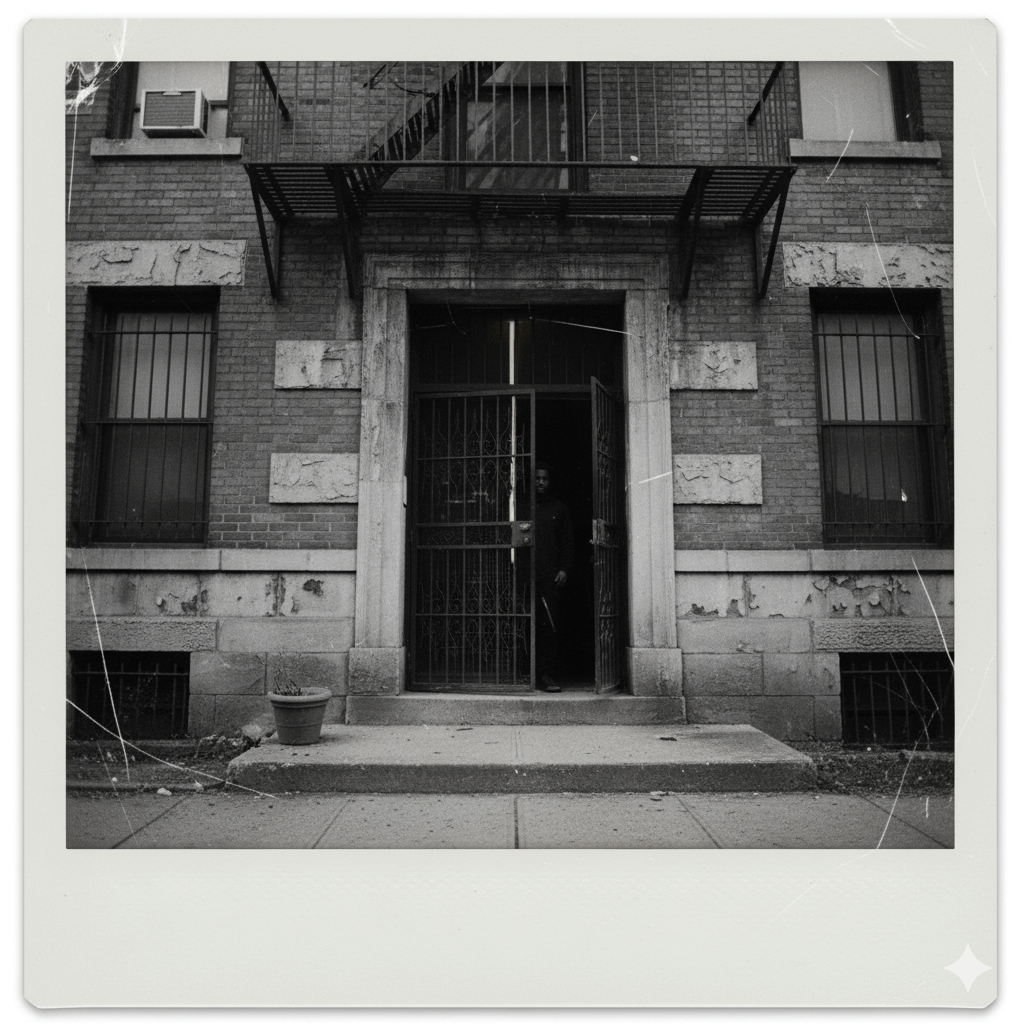
But I’ve never been one to back down from a long shot. So I did what I do best: I started digging.
Court records. Jail logs. DMV hits. Old addresses. Dead phone numbers. Anything that could give me a thread to pull. I even called a few homeless shelters around the Bronx.
And then, one tiny lead surfaced. A dusty old address in the Bronx. No confirmation. Just a hunch.
I went anyway.
I knocked. Nothing. Knocked again, harder. I heard shuffling.
Then the door cracked open, and a tired-looking man with tangled hair and a face worn by years of street life peered out.
I told him why I was there.
“I’m looking for Victor.”
He blinked.
“That’s me.”
He couldn’t believe someone had actually found him.
Victor explained that he came to that house once a month to shower and pick up his disability check. A woman living there, a friend he’d met on the street, let him use her place just enough to stay on the system’s radar. The rest of the time, he lived wherever he could.
Lesson: You don’t always find people from behind a keyboard. Sometimes you find them by showing up.
Case 7: Connecting Digital Breadcrumbs Across Platforms
An attorney reached out with a pretty straightforward request. They needed to track down the address of a Facebook user posting defamatory comments about their client. It should’ve been simple.
Except it wasn’t.
The user went by “Strongarm Willy,” and the account was locked down tight. No public posts. No friends list. Just a blurry profile picture and a single clue most people overlook—his user handle: @willythedream.
That little detail was key.
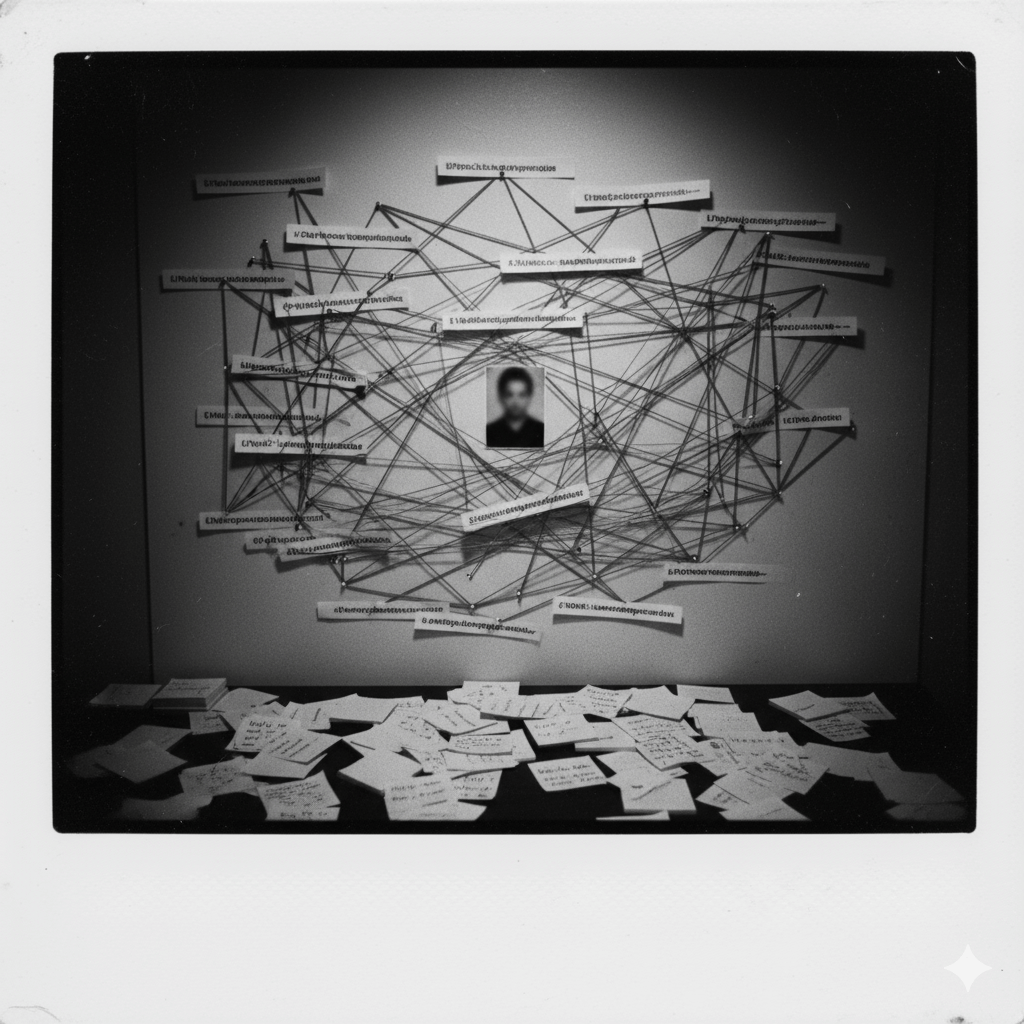
Because people are creatures of habit. They reuse usernames like digital fingerprints. So I dug in with tools like WhatsMyName, OSINT.Industries, and ShadowDragon and started painting a picture. One username turned into a map of accounts across platforms. But none of them had his real name.
That’s when I shifted tactics.
The weak link is almost always a family member.
I started mapping his social circle. Instagram, Twitter, Venmo. And one name kept showing up across them all, Jenny Williams.
Her accounts were wide open, a goldmine.
Scrolling through her photos, I saw something familiar. Jenny’s husband looked pretty close to the blurry photo on Strongarm Willy’s Facebook picture. Digging further, I confirmed her husband’s name was Willy Williams. Better yet, I found his email address, which matched accounts tied to that same @willythedream handle.
Game over.
Lesson: Sometimes the truth isn’t hidden, it’s just scattered. You just need to know where to look and, more importantly, how to connect the dots.
Case 8: The Breach Data That Cracked the Case
James was practically a ghost.
Every database showed him in three different states at once. He had multiple PO Boxes, conflicting addresses, and zero property ownership to tie him down. No phone. No obvious digital trail. He wasn’t wealthy and wasn’t off the grid for noble reasons; he was intentionally keeping his location blurred.
I had a hunch about one of the addresses in Colorado, but a hunch wasn’t good enough. I needed more proof so I didn’t send the client on a wild goose chase.
That’s when I turned to an overlooked but increasingly valuable source: breach data. Specifically, credential leaks from known data breaches. Most people don’t realize how much personal information surfaces when apps and services get hacked.
I ran one of James’s old email addresses through a dark web breach checker. Bingo.

It had been compromised in the ParkMobile data breach, which exposed all kinds of details, including license plates tied to his account. ParkMobile is an app used to pay for street parking.
It was the break I needed.
We took one of the plates and ran it through DMV records. It came back registered to a generic LLC. But the address linked to that LLC? It matched the one I had suspected all along.
Lesson: Sometimes, the breadcrumbs aren’t in public records or databases. They’re buried in places people forget they ever left them, like a parking app from three years earlier.
Case 9: Finding Frank Rodriguez with a Simple Assumption
Every now and then, we get a case that reminds us it’s not about fancy tools; it’s about knowing how the real world works.
The client was on a tight budget and needed to find Frank Rodriguez. The name is not exactly rare, especially in Houston. There were hundreds of hits, most leading nowhere.
Frank was listed as a maintenance manager at a specific building. That was the only detail we had.
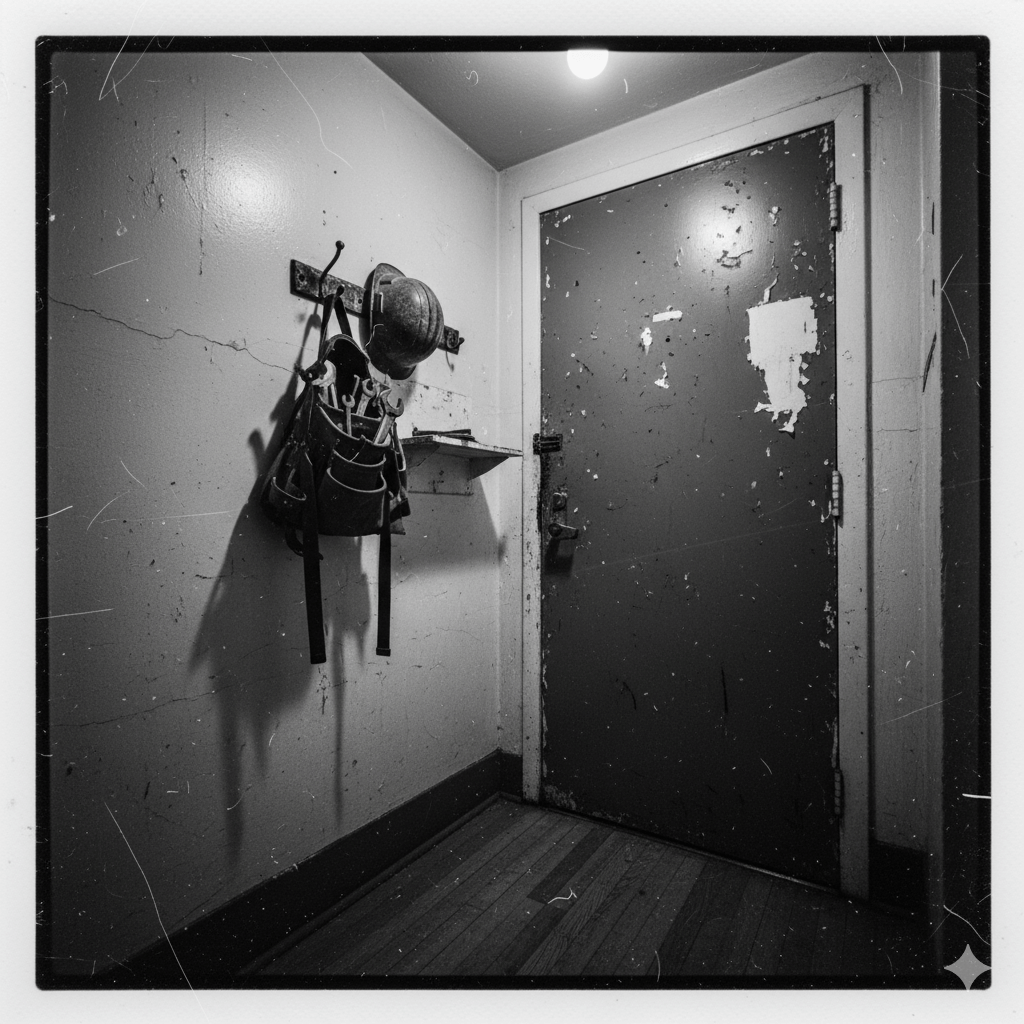
But here’s something I’ve learned over the years: most maintenance guys live on-site or at least nearby. It’s part convenience, part job requirement.
So I plugged the address of the building he worked at into a few of the databases.
And there he was.
No data wizardry. No special software. Just one small assumption based on real-world patterns.
Lesson: Sometimes what looks like dumb luck is just experience dressed in plain clothes.
Case 10: The Bentley and the Court Filing
Richard Green had it made. He was a rising Florida attorney, flashy lifestyle and big wins. Then came the gambling. The debt. The temptation. And finally, the fall.
He started siphoning money from his clients’ settlements. Millions of dollars, gone. When the walls closed in, Richard vanished. He bounced from couch to couch, drifting from state to state. No fixed address. No online footprint. Nothing.
For a while, nobody could find him.
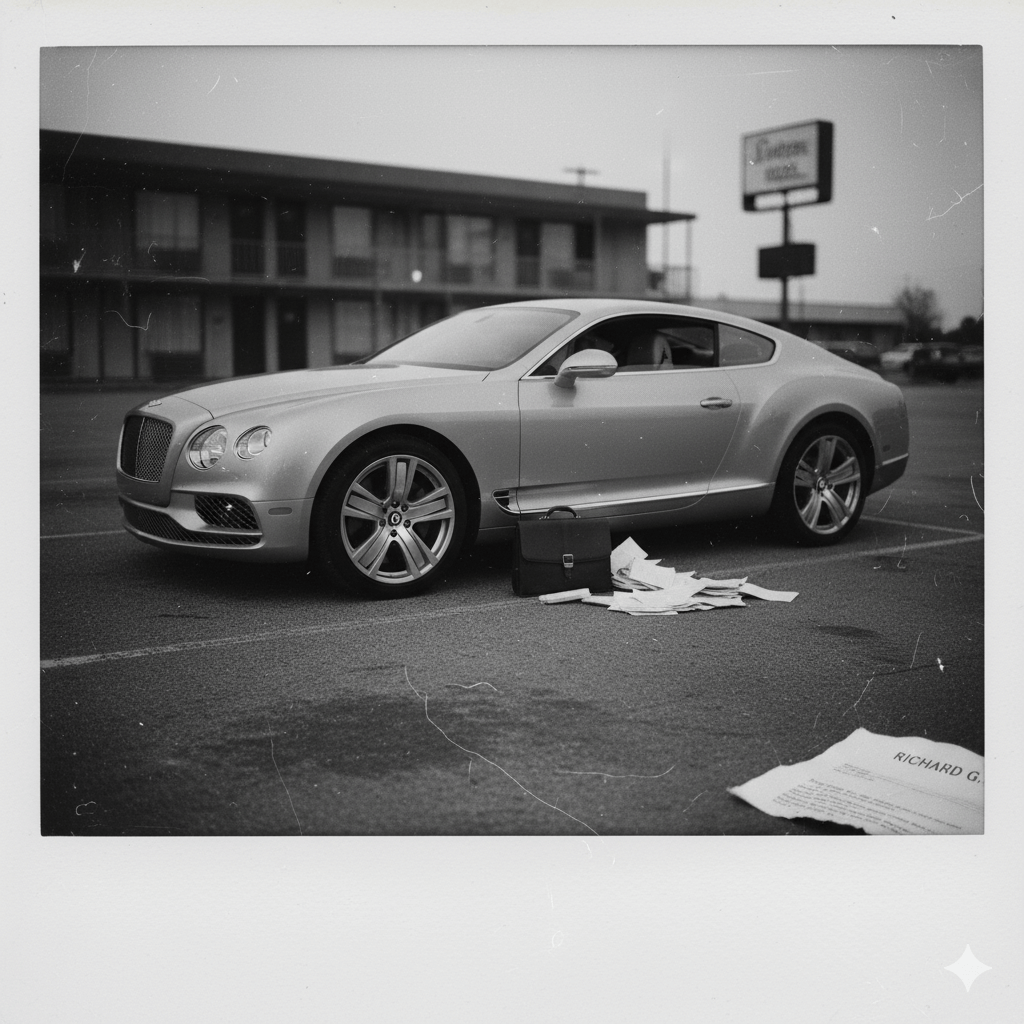
But Richard had two fatal flaws.
First, he loved his car; a black Bentley Continental GT convertible. Second, he had a thing for lawsuits. He’d sue anyone who looked at him sideways.
We scoured databases. Nothing pointed to his current location. So we followed the only thread that made sense: his court filings. Turns out, even when you’re running, you still leave paper behind.
Buried in a stack of pro se lawsuits, we found one he’d filed against a convenience store. It said he slipped on a step. The fall wasn’t interesting. The address he listed in the complaint was.
It led us straight to him and his Bentley.
Lesson: If you’re litigious and love a luxury car, odds are you’ll eventually give yourself away.
Final Thoughts: When It’s Time to Call in a Professional
You’ve now seen what really goes into locating someone others have written off as unfindable. It’s rarely about a magic tool. It’s almost always about persistence, creativity, and knowing where to look when the trail runs cold.
If you’re in a situation where finding someone truly matters and surface-level searches, cheap reports, or even previous investigators have failed, you’re not alone.
These kinds of cases require more than effort—they need experience. If you’re ready to solve the puzzle once and for all, reach out to us for a consultation. We can’t promise it’ll be easy, but we do promise we’ll treat your case like it matters, because to you it does.
When the stakes are high, the details matter, and guessing isn’t an option, that’s where we come in.






I am a licensed Private Investigator and flock is a great tool. However, if you’re not in law-enforcement, you can’t be a member of flock any suggestions?
I am not familiar with Flock. What is it?